The Odyssee
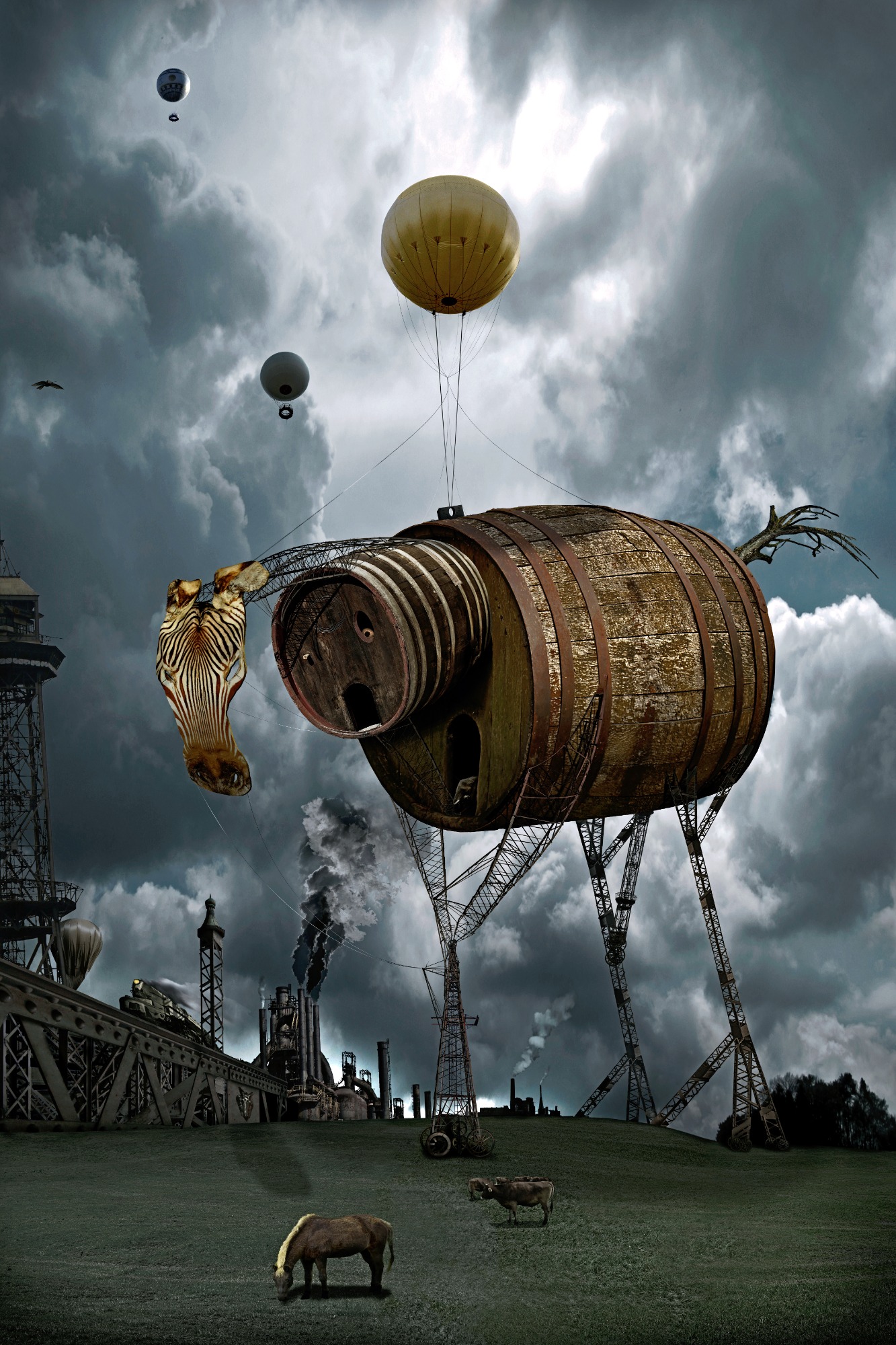
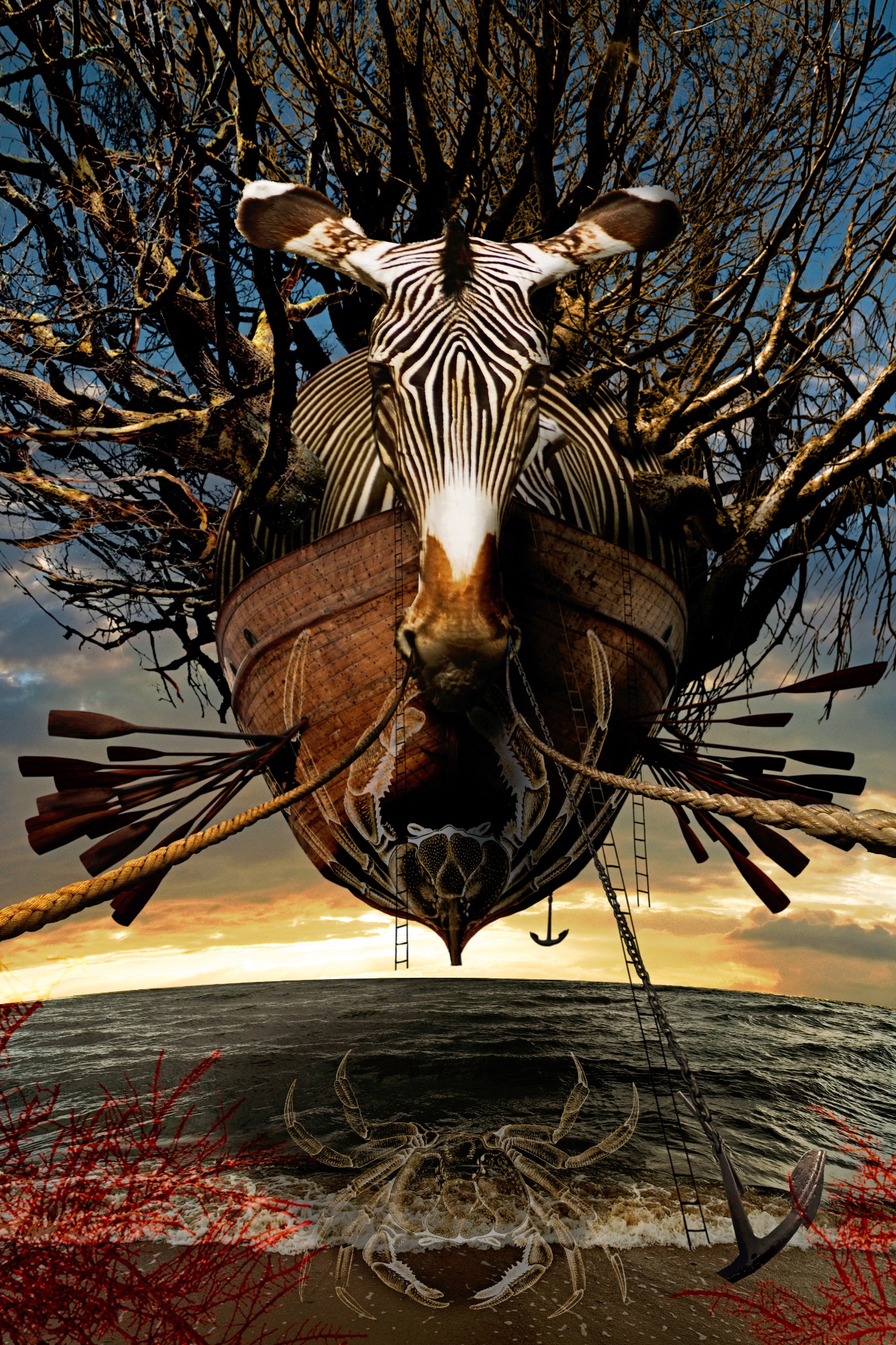
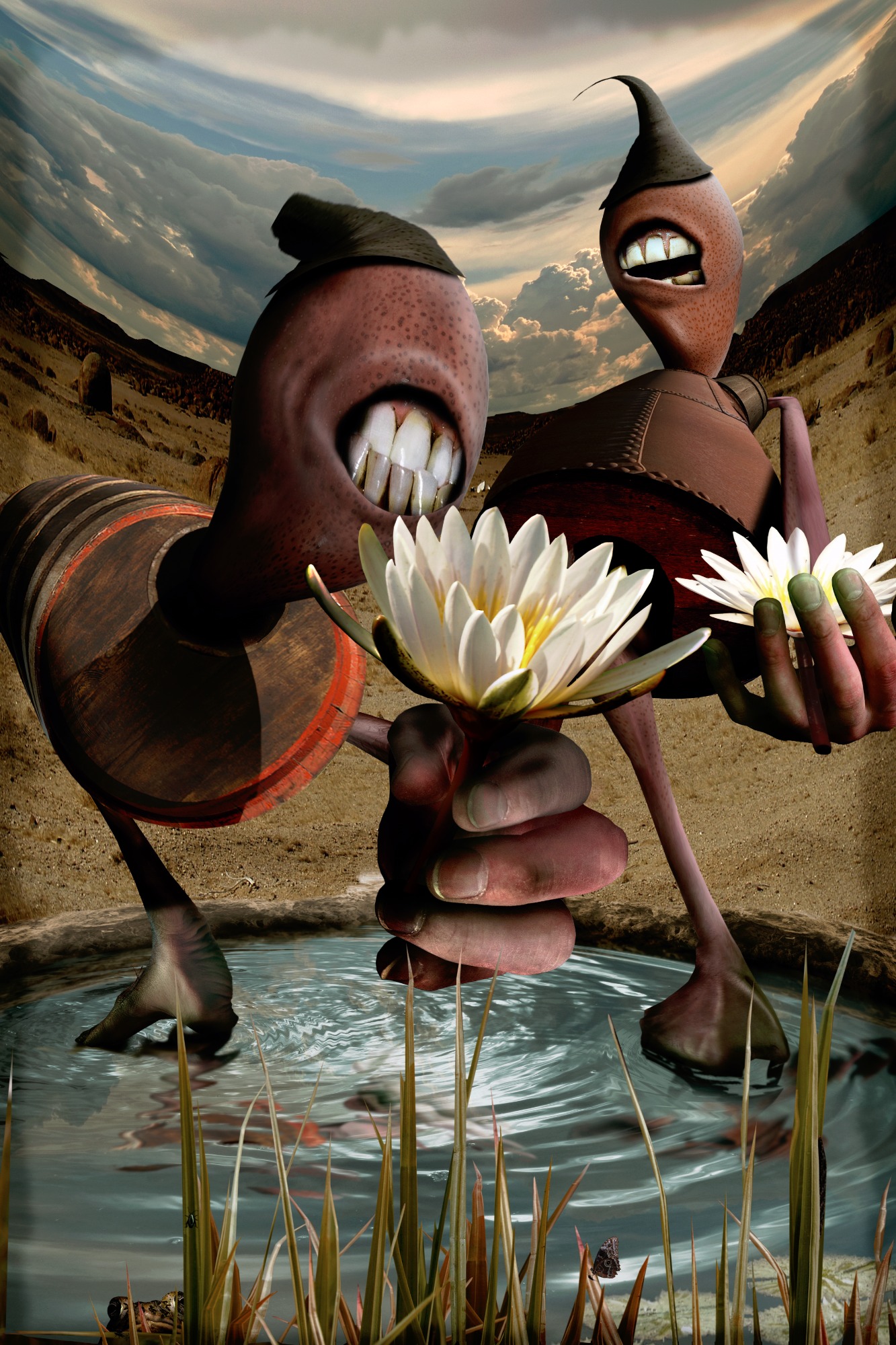
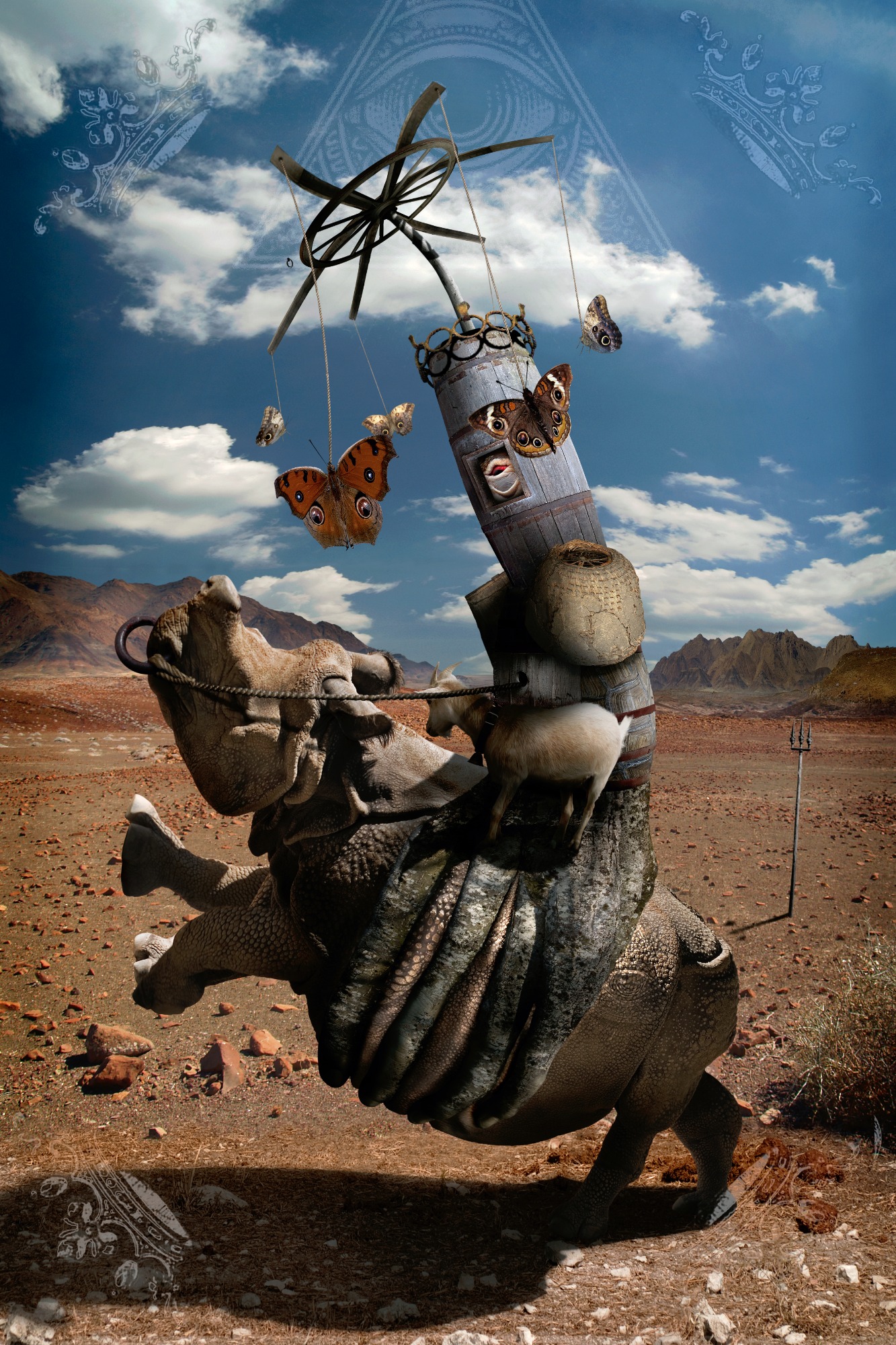
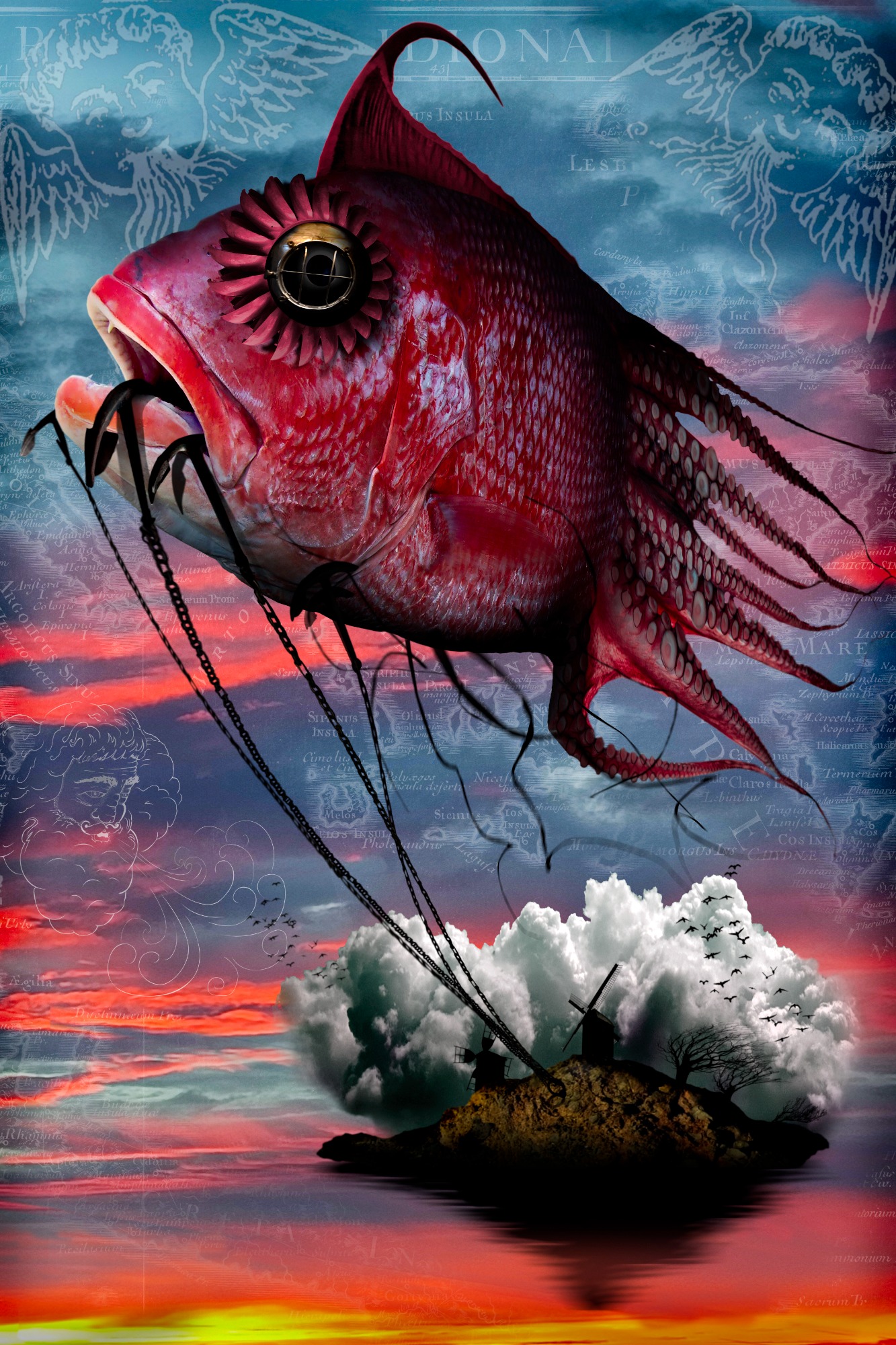
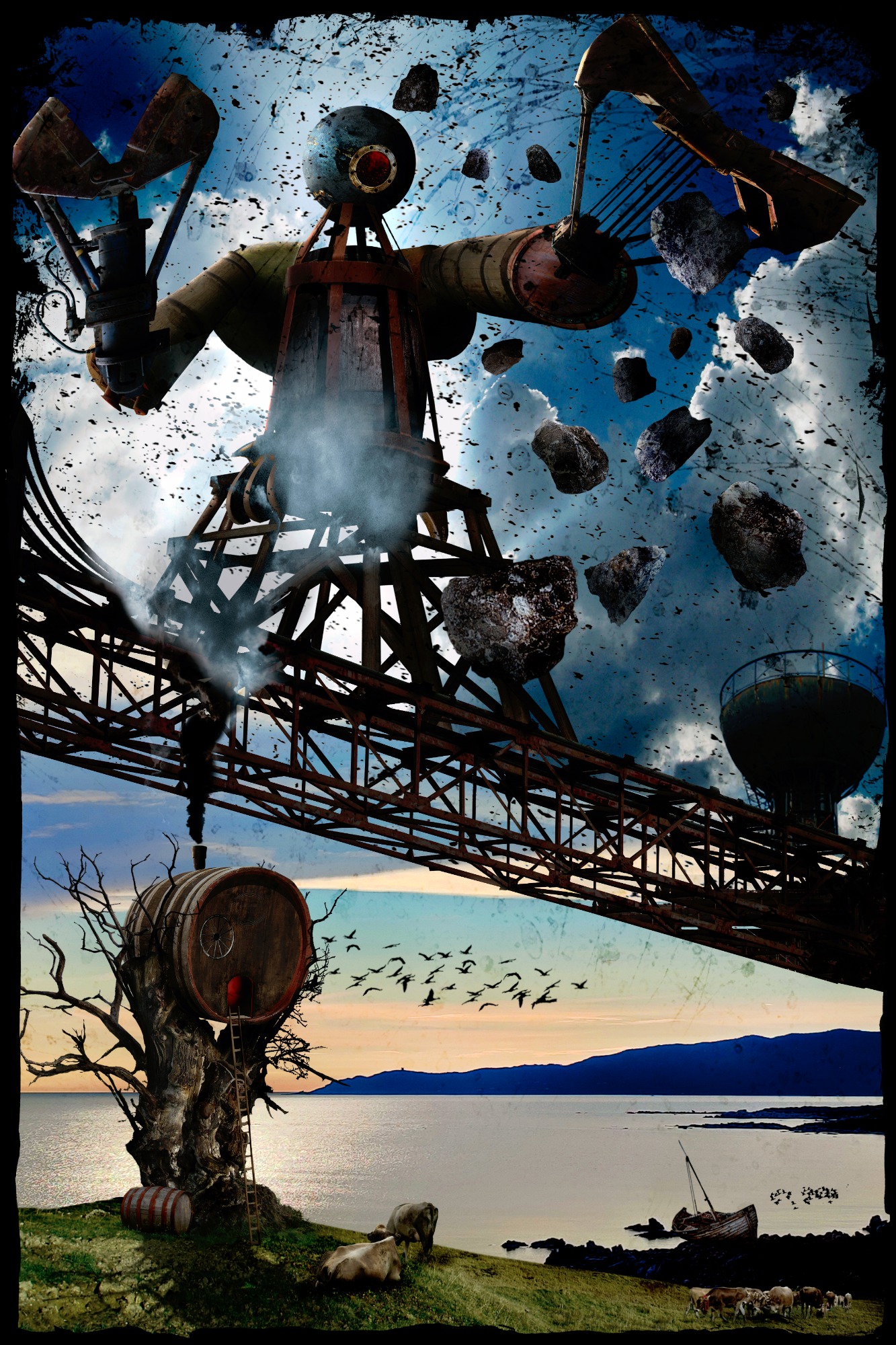
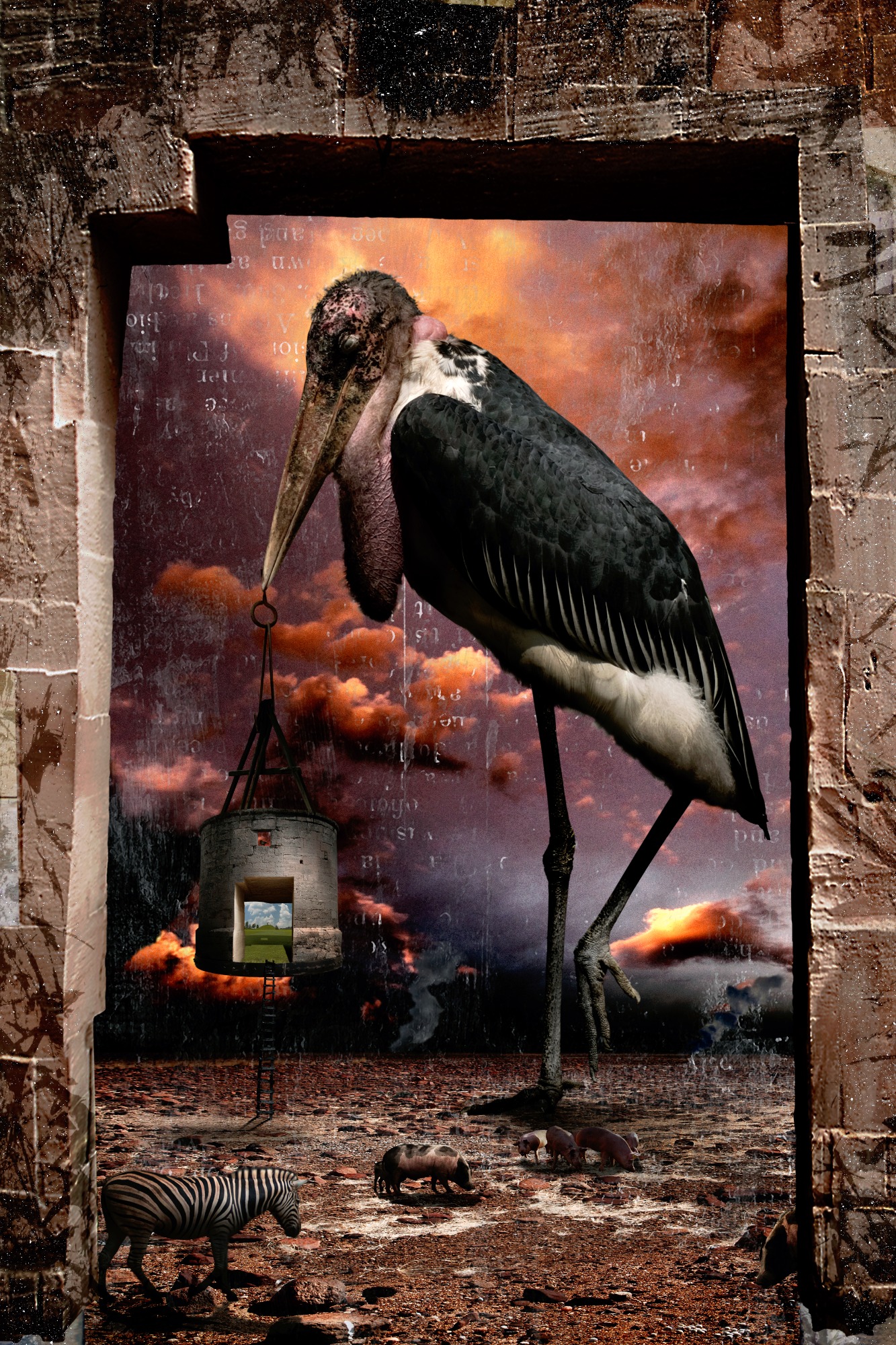
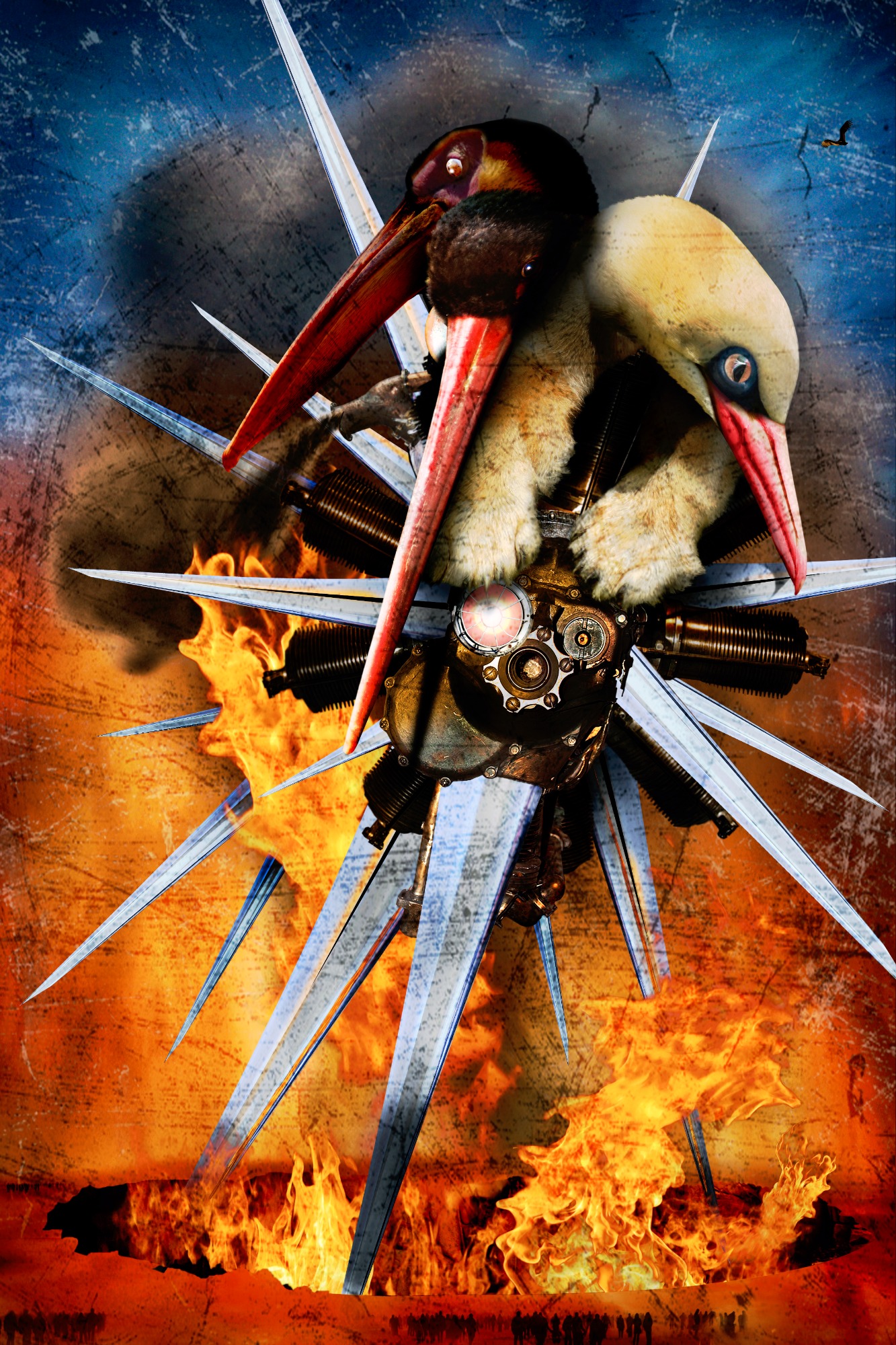
Odyssey, epic poem in 24 books traditionally attributed to the ancient Greek poet Homer. The poem is the story of Odysseus, king of Ithaca, who wanders for 10 years (although the action of the poem covers only the final six weeks) trying to get home after the Trojan War. On his return, he is recognized only by his faithful dog and a nurse. With the help of his son, Telemachus, Odysseus destroys the insistent suitors of his faithful wife, Penelope, and several of her maids who had fraternized with the suitors and reestablishes himself in his kingdom.
The Odyssey does not follow a linear chronology. The reader begins in the middle of the tale, learning about previous events only through Odysseus’s retelling. The first four books set the scene in Ithaca. Penelope, Odysseus’s wife, and their young son, Telemachus, are powerless before her arrogant suitors as they despair of Odysseus’s return from the siege of Troy. Telemachus is searching for news of his father, who has not been heard from since he left for war nearly 20 years earlier. He journeys secretly to the Peloponnese and seeks out two men who fought with Odysseus in the war at Troy, Nestor and Menelaus, and discovers that his father is indeed still alive.
The second four books (V–VIII) introduce the main character, Odysseus, as he is being released from captivity by the nymph Calypso on the island of Ogygia. He suffers a shipwreck and lands on the shore of Scheria, the land of the Phaeacians. In Books IX–XII Odysseus tells the Phaeacians of the harrowing journey he and his crew endured as they tried to find their way home—including their encounters with the lotus-eaters, Laestrygonians, and the sorceress Circe, their narrow escape from the cave of the Cyclops Polyphemus, their ordeal navigating between Scylla and Charybdis, and the final shipwreck in which Odysseus is washed ashore on Ogygia alone.
Finally, Books XIII–XXIV, the second half of the poem, find Odysseus back in Ithaca, facing unexpected obstacles and danger. He meets with his protector-goddess Athena and reveals himself first to his faithful swineherd Eumaeus and then to Telemachus before developing a complicated plan to dispose of the suitors. During Odysseus’s absence, Penelope resisted the importuning of more than a hundred suitors—who have stayed in Odysseus’s house, eating, drinking, and carousing while waiting for her to decide among them. In order to reunite with his wife, Odysseus kills them all, with the aid of Telemachus, Eumaeus, and Philoetius (a servant and cowherd).
©2026 Encyclopædia Britannica, Inc.
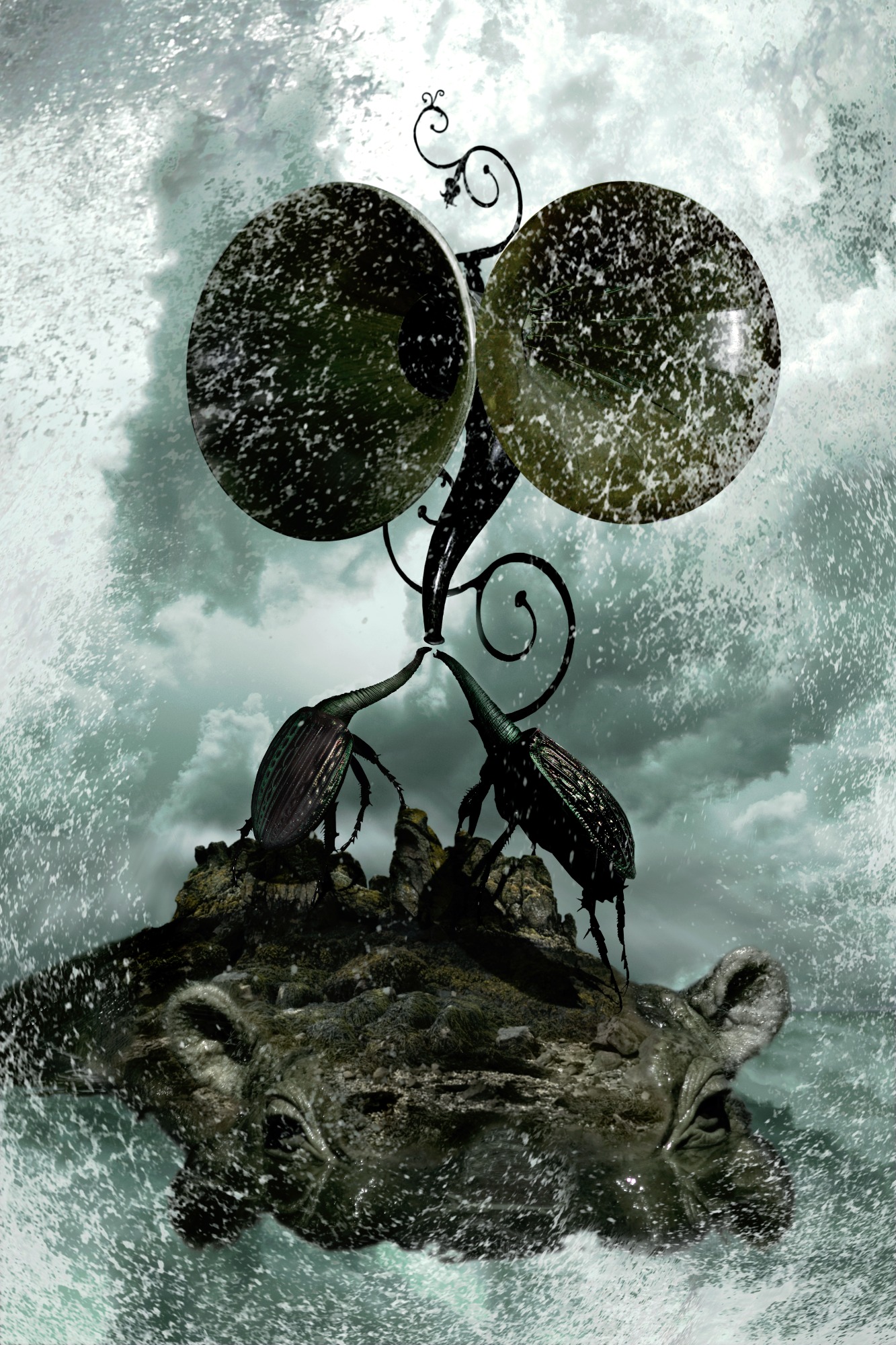
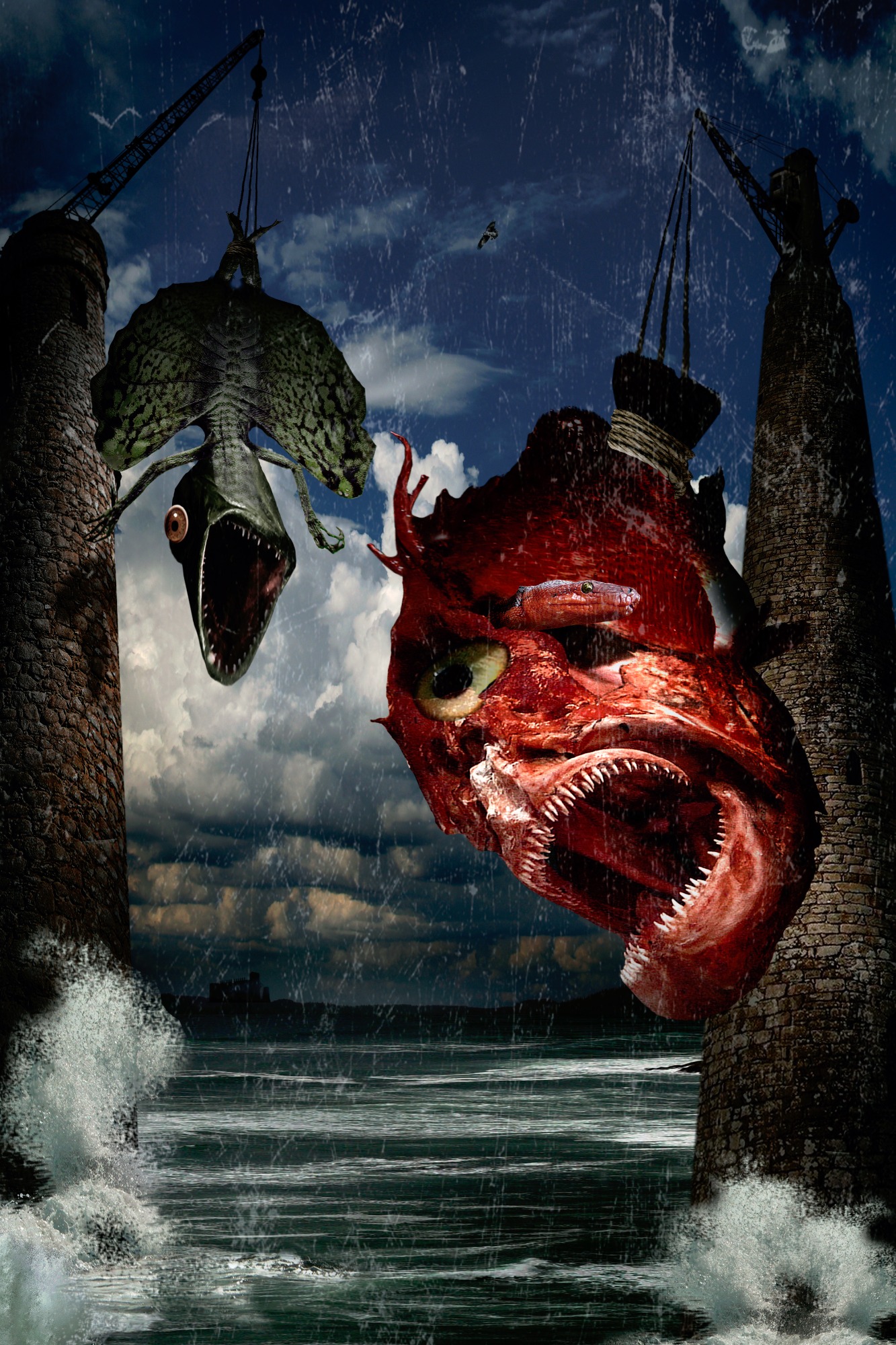
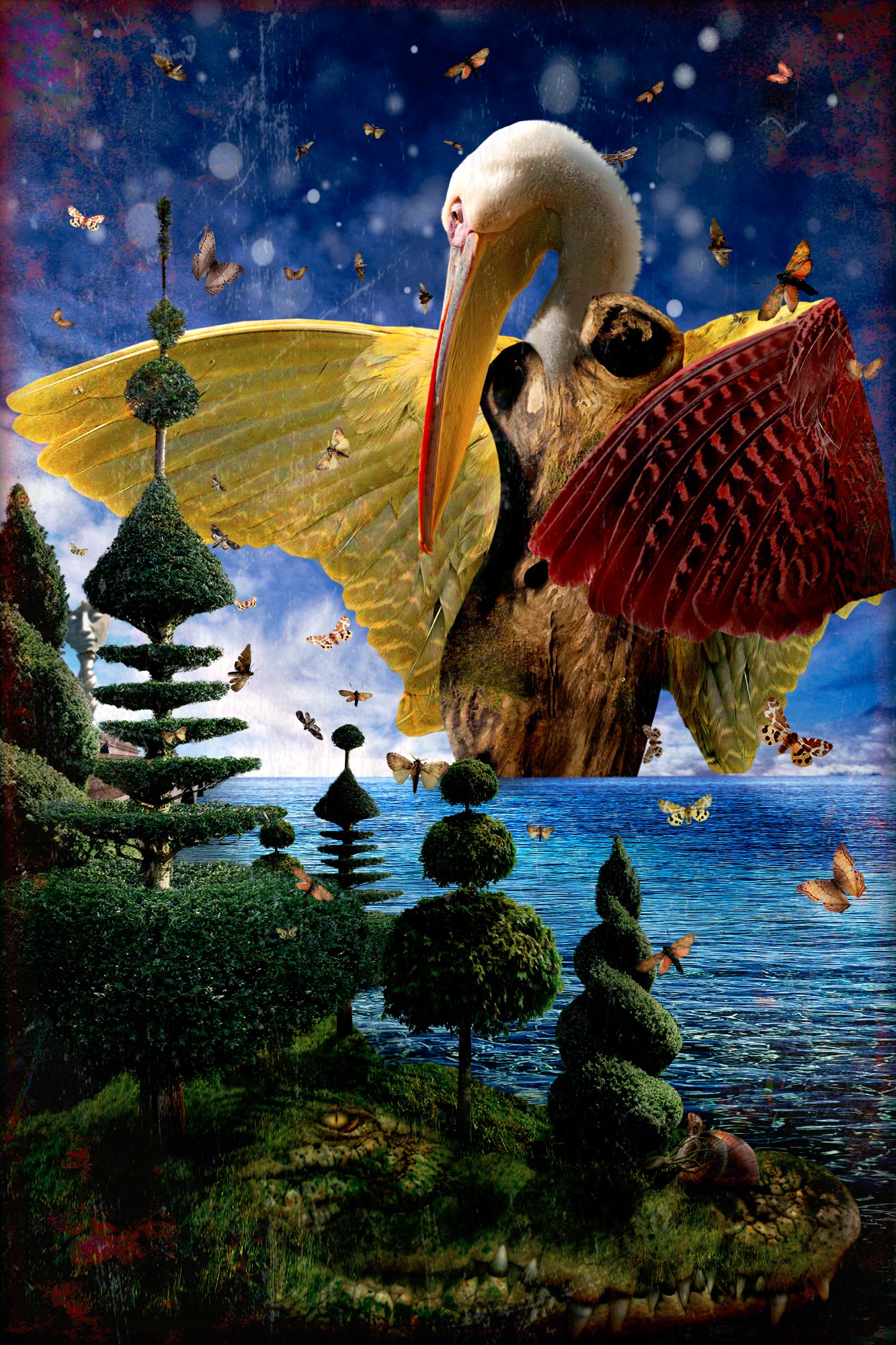
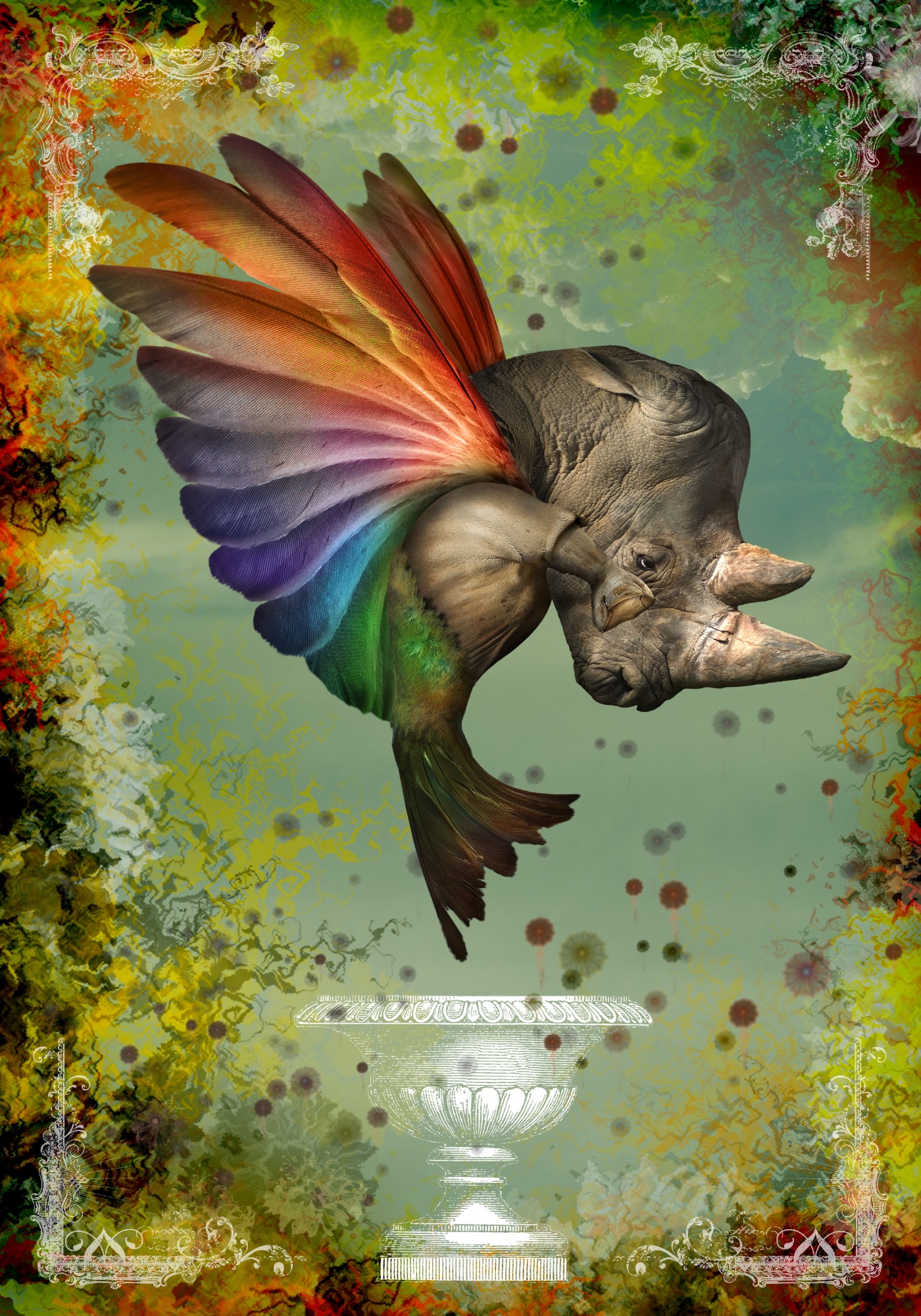
This project is an "on going" collection of images, some first created in the infancy of my experimenting in manipulated photography and some created much more recently. The Odyssee story/poem has always interested me since as a child watching the Sinbad films by Ray Harryhausen to some of the more modern treatments, these are some of my interpretations and I shall continue to add more pictures as I feel.
Chris Bennett 2026